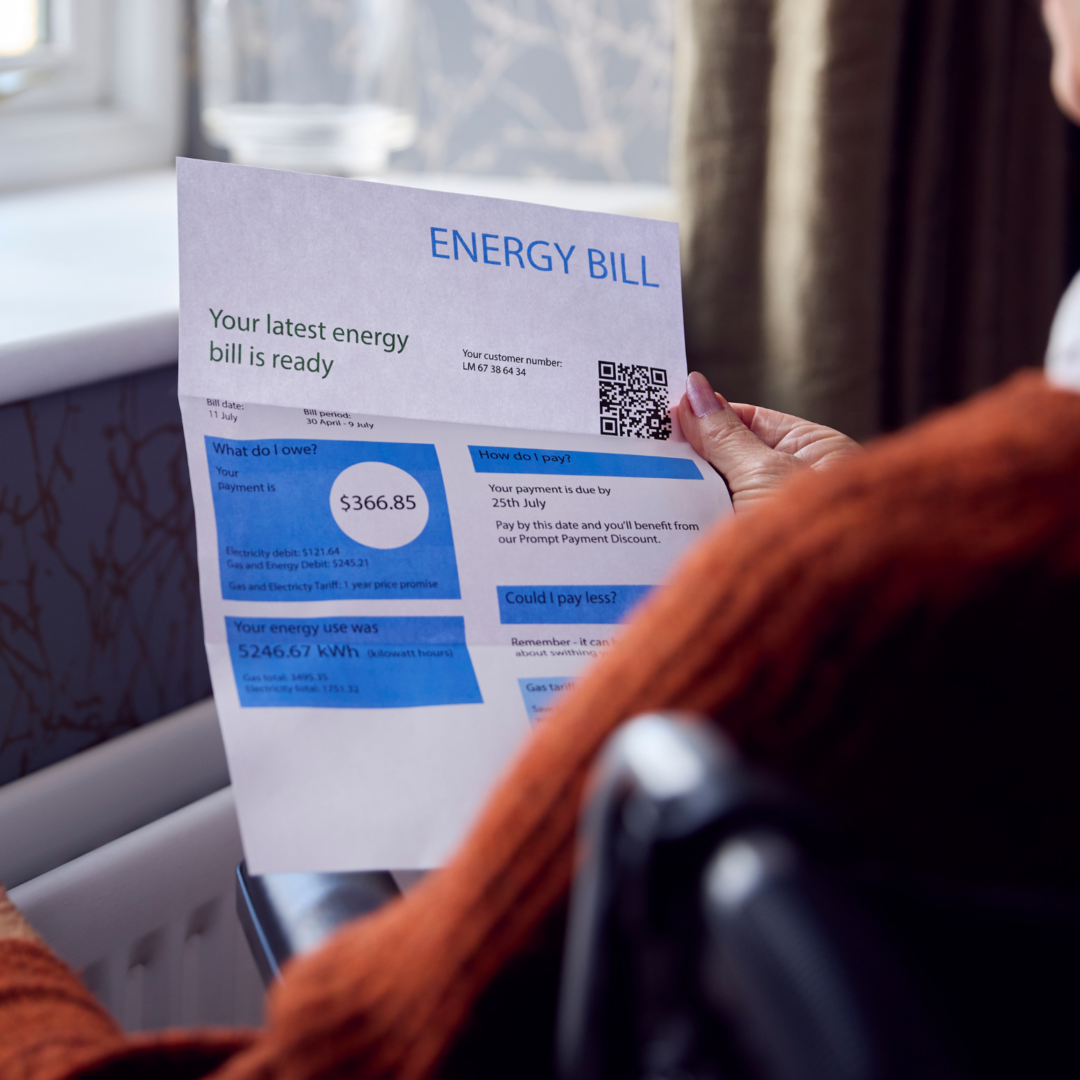
What Georgia Can Do to Improve Energy Affordability
As utility bills continue to rise, policymakers must address the ongoing energy affordability crisis in Georgia.
Read More about What Georgia Can Do to Improve Energy Affordability
As utility bills continue to rise, policymakers must address the ongoing energy affordability crisis in Georgia.
Read More about What Georgia Can Do to Improve Energy Affordability
This issue brief provides a range of policies that can keep families connected to essential utility service and help maintain affordable home energy.
Read More about Lowering Household Utility Costs: A Policy Roadmap for State Action
Programs that allow utility customers to borrow for energy efficiency and renewable energy upgrades, and to repay the loan through a surcharge on the utility bill, add debt to already debt burdened families and put low-income households at risk. These programs, referred to as tariffed on-bill financing or “inclusive utility investment,” are loans made to…
Transportation expenses are the second largest household expense for most families. Can electric vehicles help reduce transportation costs for families?
Read More about Drive Cleaner, Pay Less: EVs and Affordability
This brief addresses consumer protection concerns with Inclusive Utility Investment (IUI)/Tariffed On-Bill Financing/Pay As You Save® (PAYS®) (referred to collectively as “TOB”), particularly the dangers of these loans for low-income consumers. It also recommends important state-specific considerations, guardrails, and safer alternatives. Although this brief focuses on protections for low-income residential customers, many of the recommended…
Read More about Tariffed On-Bill Financing Poses Significant Risks for Low-Income Consumers
2024 Residential Energy Consumption Survey findings reflect a rise in home energy insecurity particularly among households of color, households in the South Census Region, and low-income households across the country. Recommendations include: implementation of enhanced bill assistance, energy efficiency, regulatory consumer protection programs and policies, along with investment in relatively low-cost renewable energy resources.
This brief disaggregates arrearage data by customer class, looking at the discount rate and standard rate customers separately.
Read More about Massachusetts Discount Rate Customers Falling Farther Behind on Utility Bills
This IRA Home Energy Rebates Resource for Advocates outlines issue areas that advocates for low-income consumers and tenants should prioritize when providing stakeholder input into the state rebate plans.
This opinion piece, published in Utility Dive, explains how competitive energy supply (or retail choice) harms consumers.
Read More about Retail ‘Choice’: A Bad Deal for Consumers and the Planet
This issue brief lists some of the reported problems and consumer risks of rooftop solar agreements and provides policy recommendations to address these concerns for all consumers.
Read More about Rooftop Solar: Consumer Protection Recommendations
Resources to help frontline groups that are working to provide broadband and communication assistance.
The National Consumer Law Center has compiled Massachusetts gas and electric arrearage data collected in DPU docket 20-58 through February 2023. Here we provide a brief update to previous reports released in February 2021, November 2021, and November 2022 on the state of arrears in MA. As of April 1, the winter moratorium that protects…
Read More about Risks of Utility Shutoffs Are Rising in Massachusetts